Virtual
 Tue, Nov 17, 2026 at 7:30 PM EST
 2 hrs
 For the best experience, Gathr recommends using Google Chrome. Learn more about virtual event best practices.
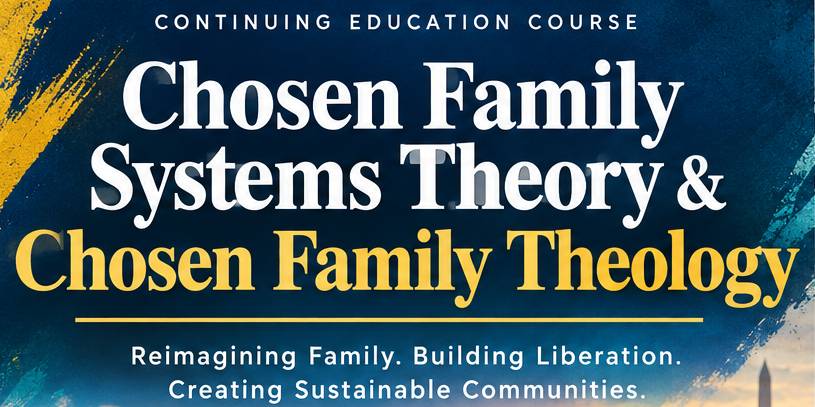
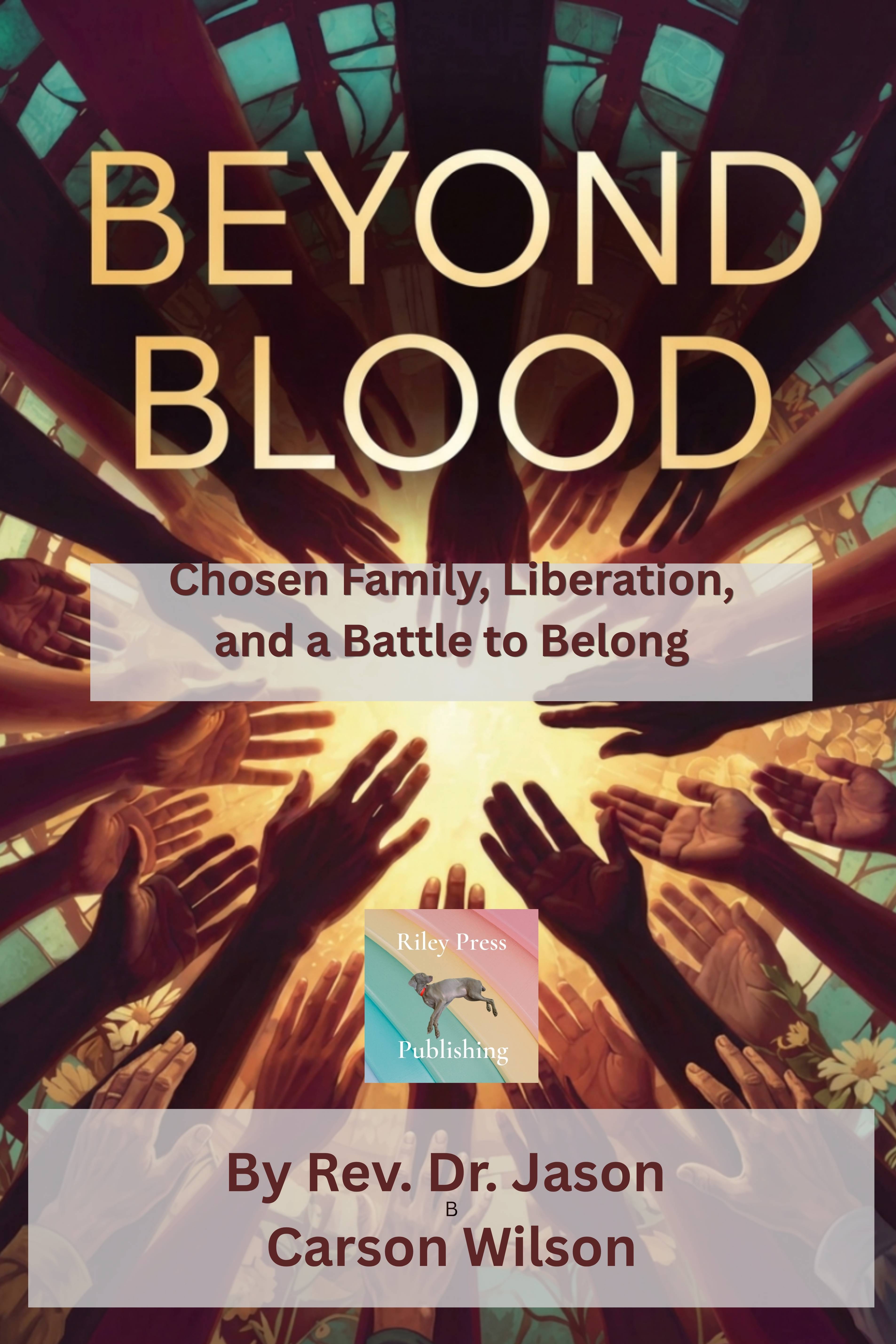
Chosen family is real family. It is not a consolation prize for people whose biological families failed them, nor is it merely a contemporary phrase for friendship. In Beyond Blood: Chosen Family, Liberation, and a Battle to Belong, Rev. Dr. Jason Carson Wilson develops Chosen Family Systems Theory and Chosen Family Systems Theology as complementary frameworks for understanding, honoring and building kinship beyond biology.
This course introduces Chosen Family Systems Theory as an analytical and practical framework for understanding voluntarily constructed relational networks that perform kinship functions and endure through ongoing consent, mutual obligation, and shared practice. Participants will explore how chosen families provide emotional support, material aid, identity formation, intergenerational connection, ritual, care during illness and dying, and mechanisms for conflict and repair. The course also introduces elective affinity and the kingram, an expanded relational mapping tool designed to recognize both biological and chosen kinship.
The course then moves from description to theology. Chosen Family Systems Theology asks what happens when chosen kinship is understood not merely as a sociological or clinical reality but as a theological category. Drawing on Trinitarian relationality, baptismal adoption, Eucharistic communion, covenant, ecclesiology, and eschatological hope, the framework argues that Christian faith contains substantial resources for understanding the church itself as a chosen family rather than simply an institution organized around hierarchy.
Participants will examine biblical narratives in which Jesus disrupts conventional assumptions about biological kinship, including Mark 3, John 19, table fellowship, and the formation of the early Christian community. They will also engage Black feminist and womanist thought, queer theology, disability justice, intersectional analysis, and the lived practices of Black and LGBTQIA+ communities that have built resilient kinship networks under conditions of exclusion and structural violence.
The course does not romanticize chosen family. Chosen families can reproduce control, gatekeeping, exclusion, and other harms. Participants will therefore explore consent, accountability, autonomy, repair, boundaries and the responsibilities that accompany claiming people as kin.
Designed for clergy, chaplains, pastoral caregivers, clinicians, seminarians, organizers, community leaders and justice-minded people of faith, this course connects theory with praxis. Participants will consider how chosen-family principles can reshape pastoral care, congregational life, institutional practices, mutual aid, community organizing and organizational development. The goal is not simply to understand a new theory, but to learn how to recognize the families people are already building and create conditions for those families to flourish.

 Help
*Includes 2.9% + $0.30 credit card processing fee, and a 5% administrative fee.
All donations are in USD ($).
Compare donation processing fees (opens in a new window).